We all know the giants of the deck-building world. We've climbed the Spire and steered the Monster Train. But there's a title sitting in the shadows that often gets overlooked - even though it's one of the most natural next steps for any fan of the genre. Roguebook is the most underrated game you could pick up for your next obsession, and here's why it deserves your time.
What it is
Roguebook is a deck-building roguelike designed with the help of Richard Garfield - the creator of Magic: The Gathering. You're trapped inside a magical book, fighting your way through procedurally generated pages to reach the end. The narrative setup is simple, but the game shines where it matters most: the systems. If you're coming for deep, interlocking mechanics that reward clever play, it absolutely delivers.
The map - where it immediately surprises you
The first thing Roguebook does differently from Slay the Spire is the map, and it's a bigger deal than it sounds.
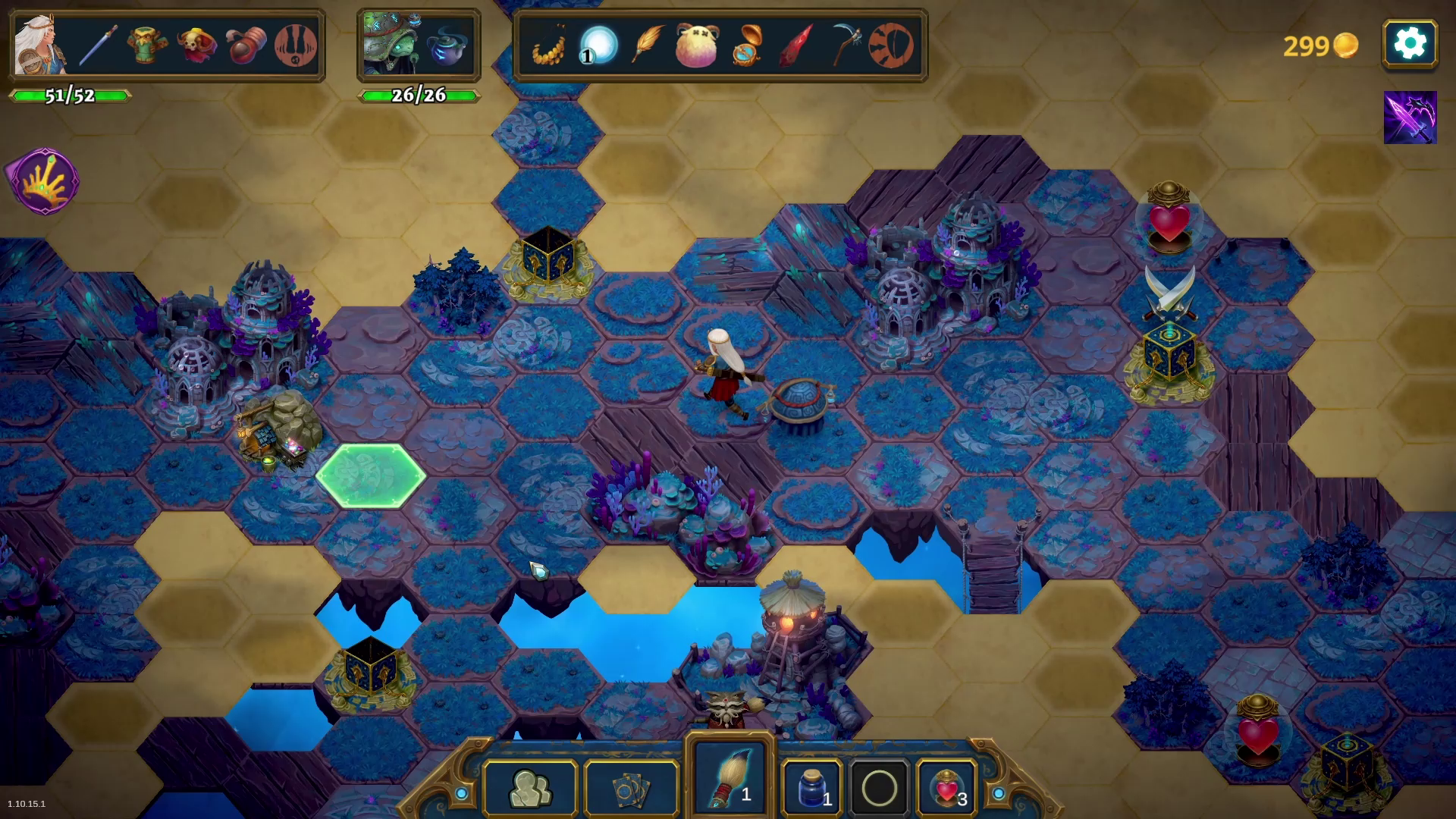
Instead of a branching path where you choose between two or three options at each node, Roguebook gives you a hex grid covered in fog. You spend ink and brushes - resources earned in combat - to reveal tiles, uncovering encounters, treasures, shops, and random events. Lighthouses reveal larger portions of the terrain. The map is a puzzle before the combat even begins.
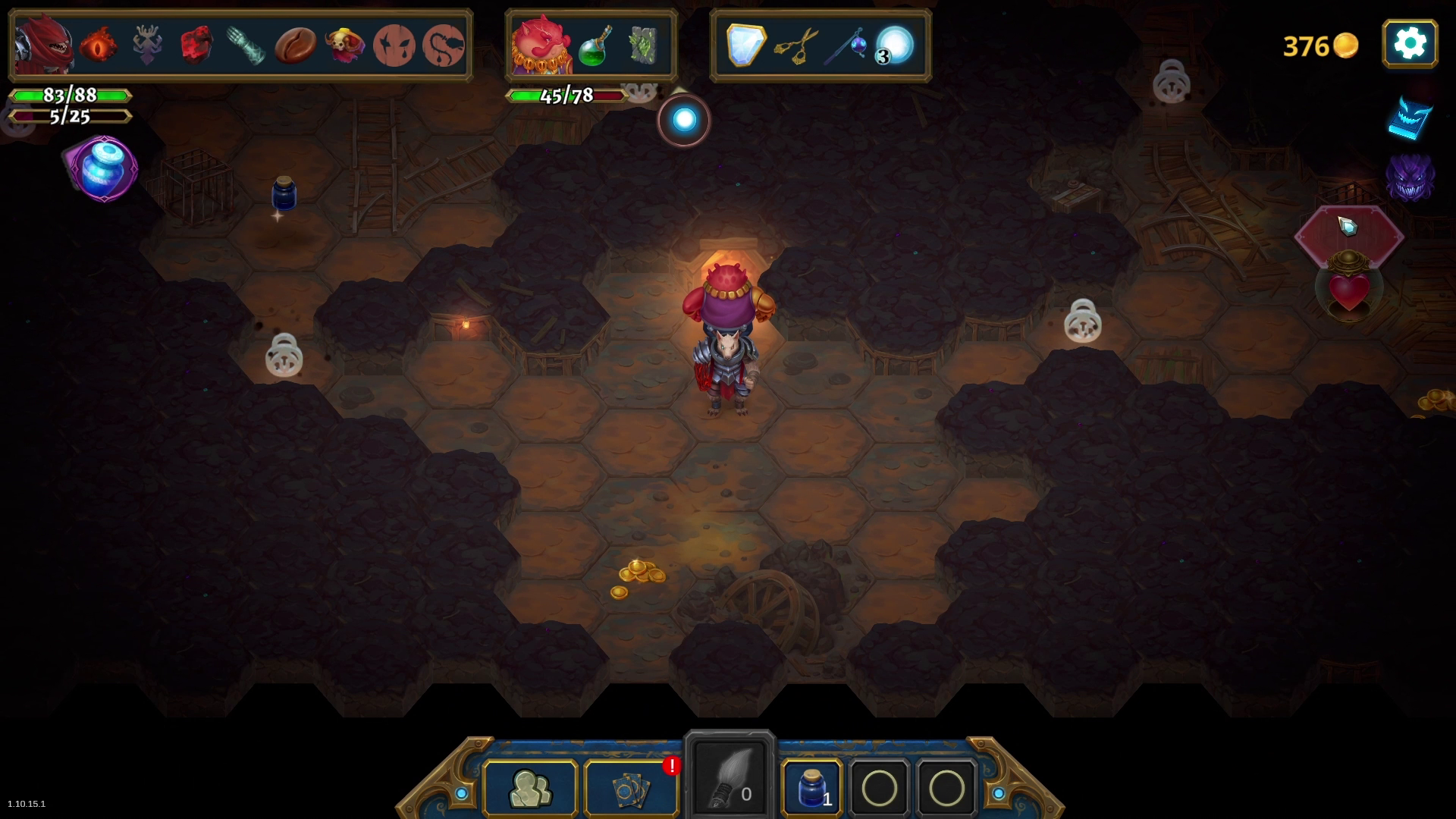
Do you push toward that relic in the corner, or use your ink to paint the path to more gold and new cards? This adds a layer of decision-making that Slay the Spire's structured, forward-moving paths don't quite match. It turns every run into a small adventure rather than a journey down a set corridor - and uncovering it is genuinely great fun, keeping you in a constant state of surprise.
The battle - where it gets deep
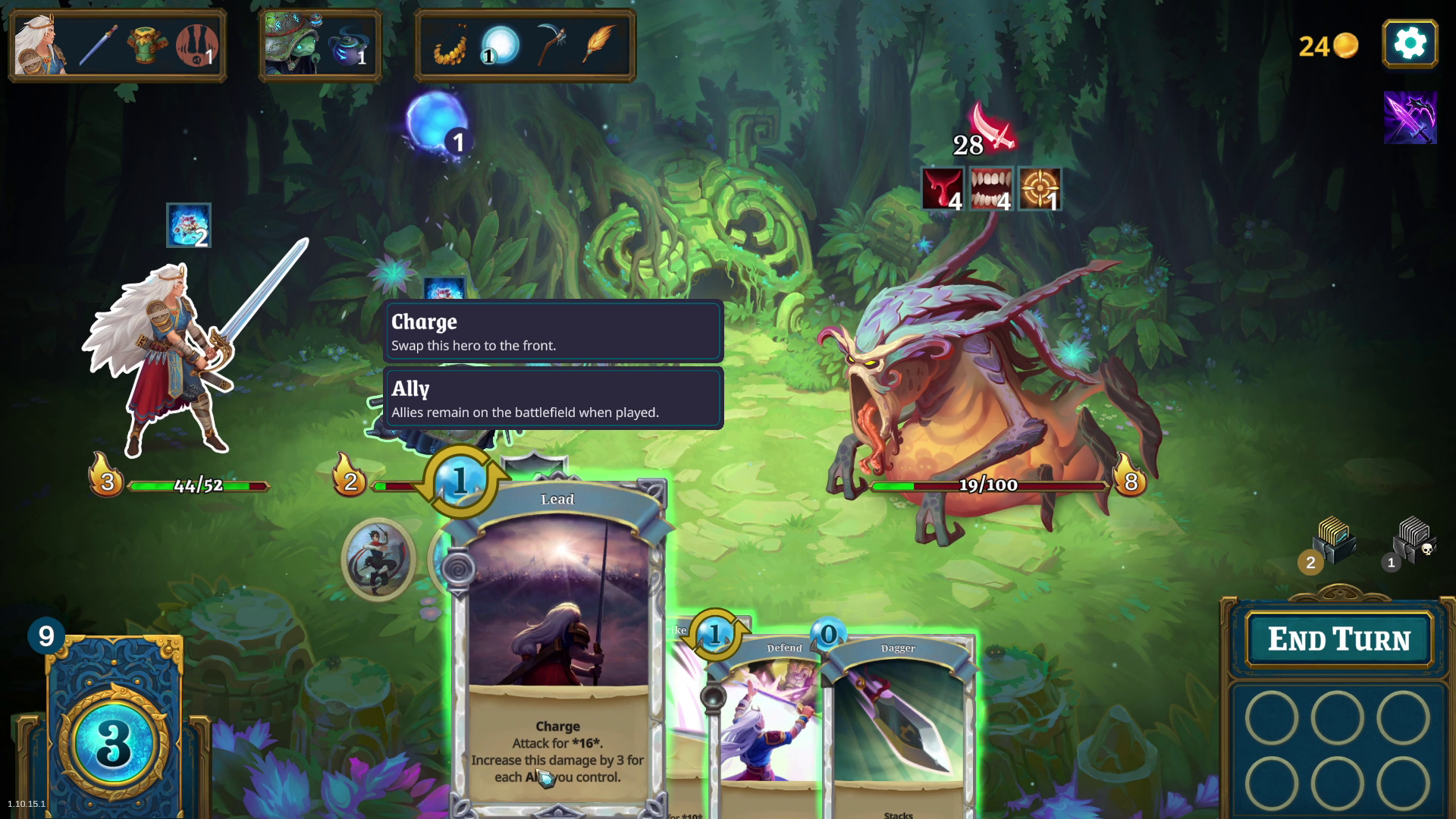
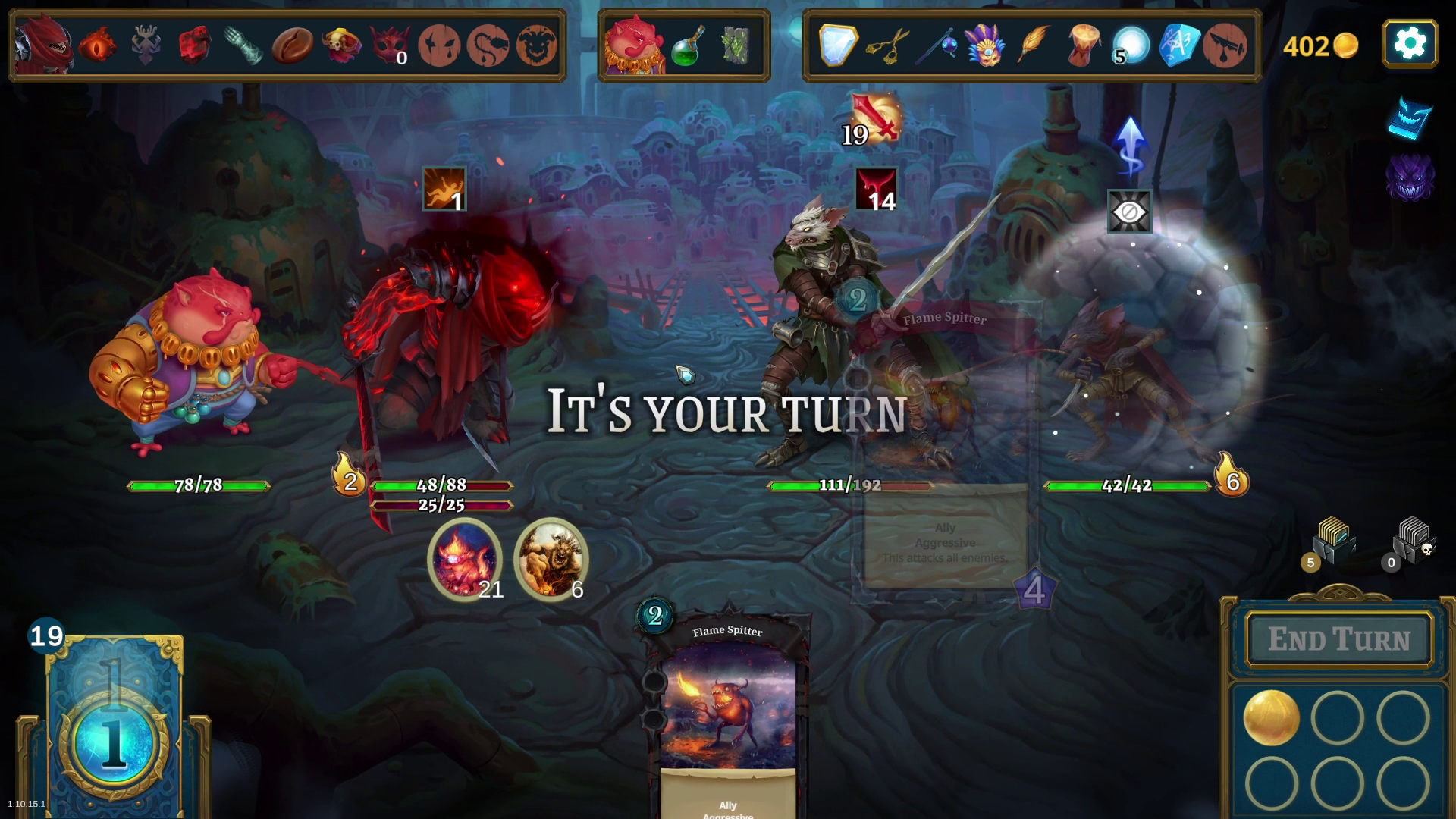
The other major departure from Slay the Spire is that you always control two heroes simultaneously. While they share a draw pile, their cards are color-coded and their positioning matters immensely.
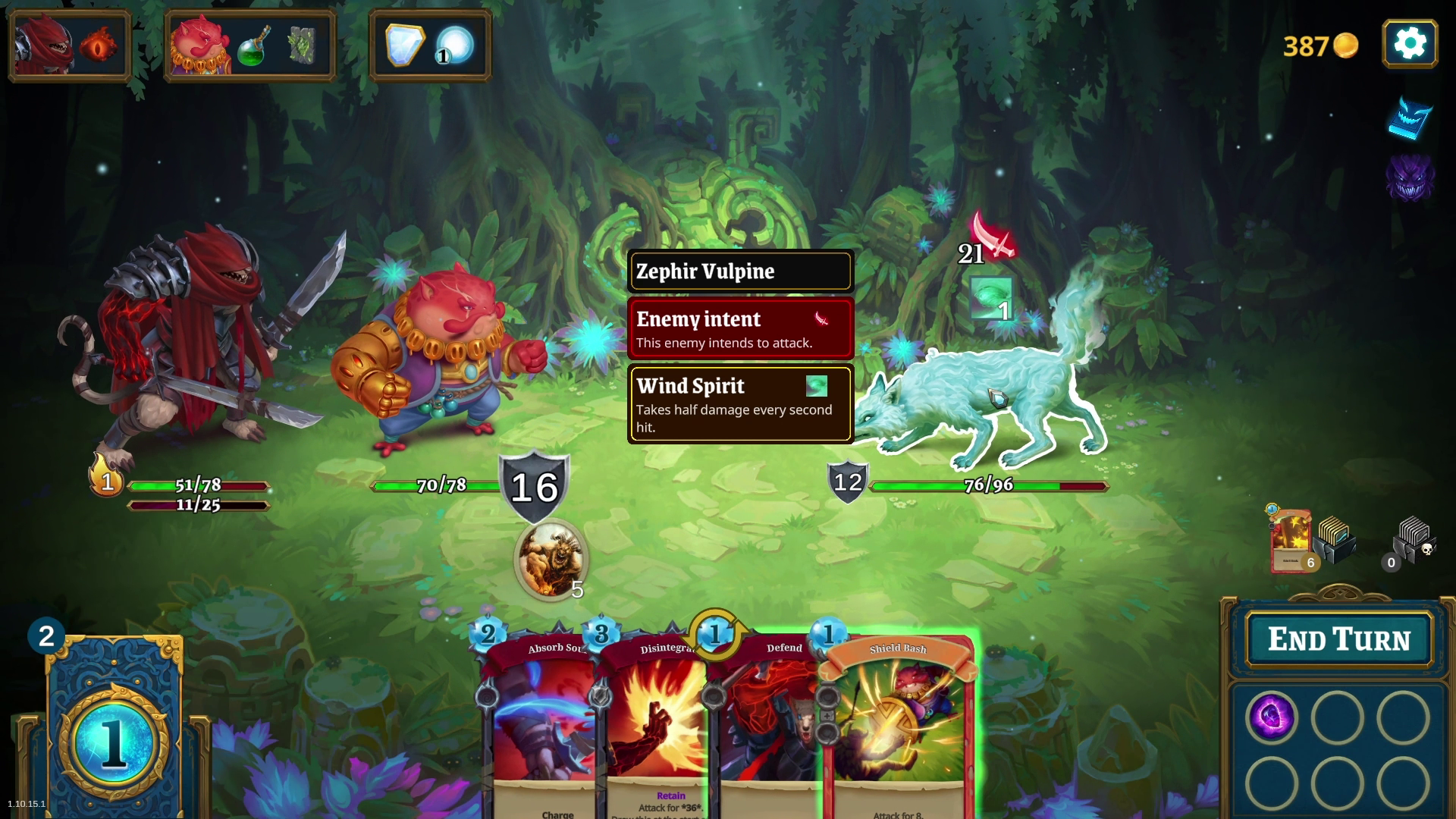
You pick two characters from a roster of five. One stands in front to tank hits; the other stays in the back. Playing a card from the back-row hero often swaps them to the front - and many cards carry Melee or Ranged keywords that grant bonuses or reduced energy costs depending on who's where. You're constantly solving a tactical puzzle: do I swap my vulnerable damage dealer to the front to save mana, or keep my tank there to absorb the incoming hit?
You aren't just building one deck - you're managing the flow between two characters, balancing their individual needs.
Roguebook also features Ally cards: cards you draw and play that, instead of disappearing after use, stay on the board and provide recurring value each turn - extra block, small bits of damage, a unique ability. They feel like a mini-party you're building mid-run.
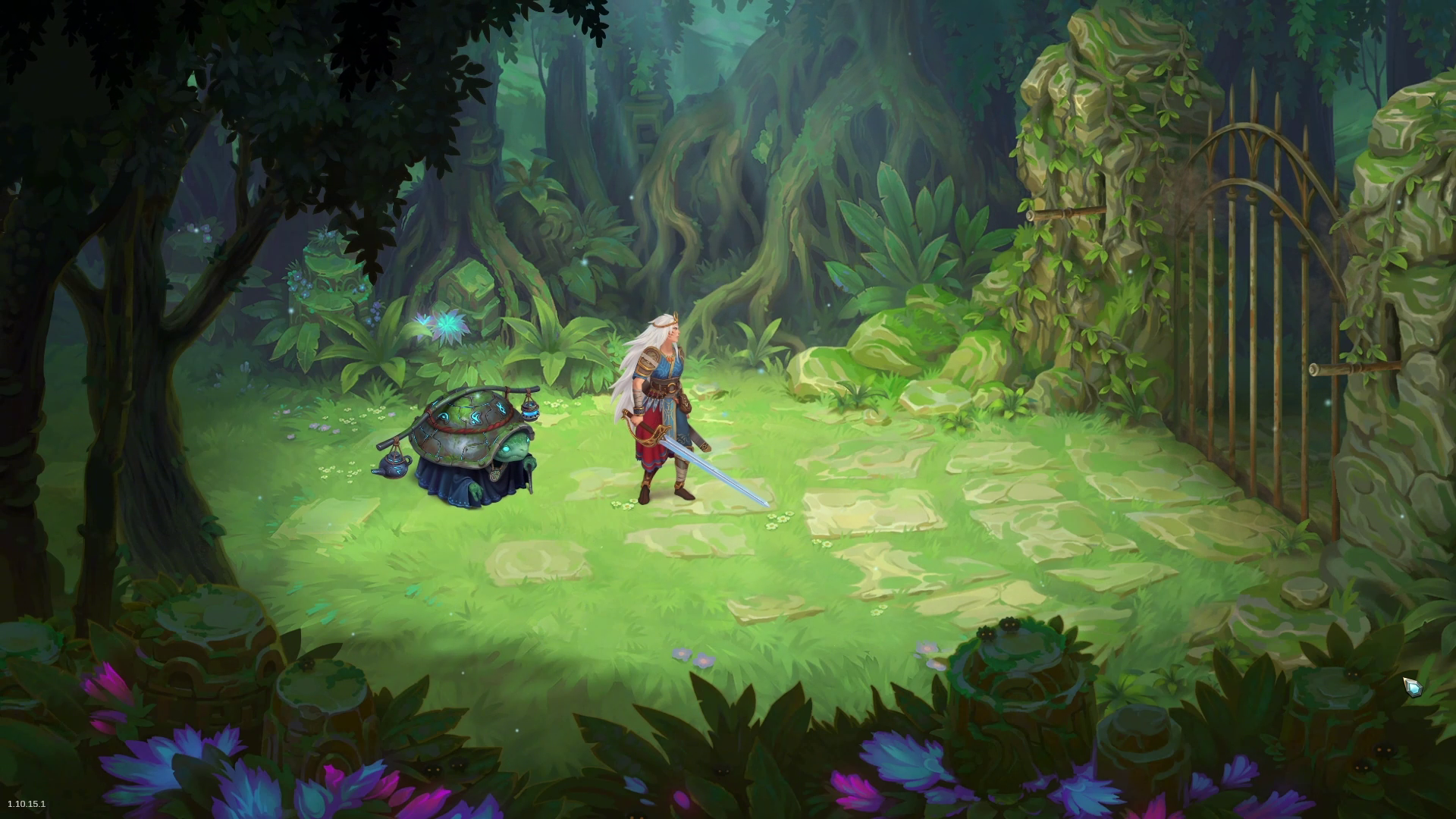
The characters themselves are distinct and push you toward completely different playstyles. Sharra is a high-mobility assassin who gains massive power buffs whenever she swaps positions - aggression is her whole identity. Aurora, on the other hand, is a tea-drinking turtle with low health but a unique self-healing Tea mechanic, built around card draw and magical synergies rather than absorbing hits. Far from your typical tank.
On top of all this, a gem system lets you socket gems directly into cards for permanent buffs - mana reduction, extra draw, and more. It adds a second axis of customization that rewards long-term planning across a run.
The Embellishment tree
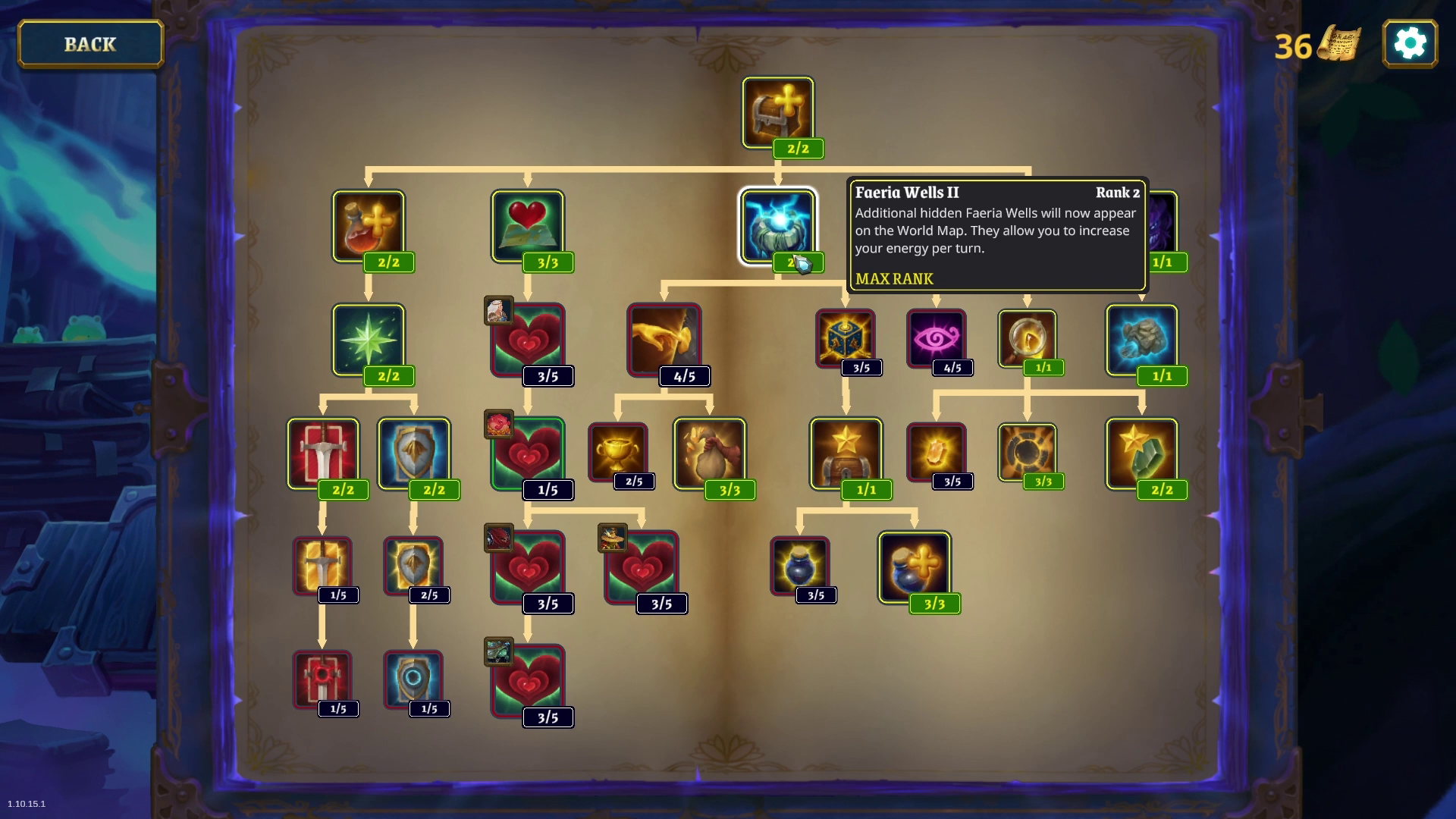
Unlike Slay the Spire, which keeps its meta-progression mostly limited to unlocking new cards and relics, Roguebook has a dedicated Embellishment tree. Between runs, you spend pages to buy permanent upgrades - some are straightforward stat boosts, but others unlock entirely new map mechanics, better shop inventory, and unique starting bonuses. For players who like a sense of permanent progression between attempts, it's a significant point in Roguebook's favor.
What you bring from Slay the Spire
Roguebook specifically rewards Slay the Spire veterans. It assumes you already understand deck composition - the difference between a focused deck and a bloated one, the value of card draw, how to read an upcoming boss. It doesn't hold your hand through deck theory. It gives you two heroes, a map to explore, and gem slots to fill, and it expects you to bring the decision-making framework you already have. It builds on your genre literacy rather than explaining it.
A few small gripes
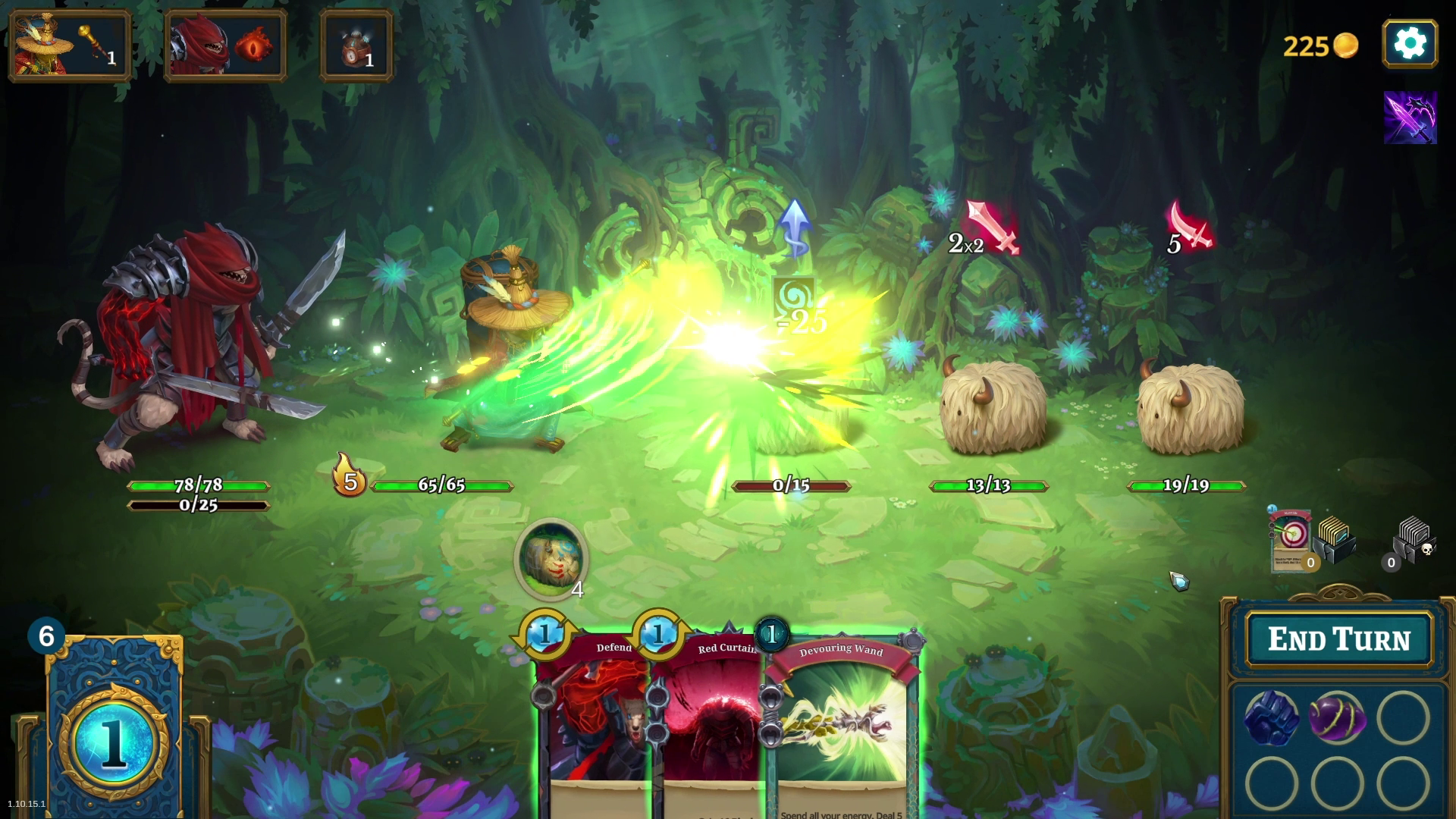
My biggest complaint is almost a compliment: the game is so good that I just wish there was more of it. The Fugoro DLC added a fantastic new character, but it's been a long time since the last major expansion. The card and relic pool is solid, but because the systems are so engaging, you'll likely burn through the content faster than you did during the years of updates Slay the Spire received.
The endgame Epilogue challenges do a great job of keeping things fresh - many of their modifiers fundamentally change the rules of the game, forcing a complete rethink of your strategy. It's enough to hold you for dozens of extra hours, even if you're still left hoping for a sequel.
The art and music are also worth a mention: clean and professional, but mostly functional. They won't have quite the same iconic personality you might be used to from the Spire.
The verdict
Roguebook isn't trying to replace Slay the Spire - it's trying to reward what you learned there while giving you a fresh, tactical playground to explore. The hex map, the dual-hero positioning, the gem system, the Ally cards - each piece adds something the genre hadn't quite done before, and they all slot together with genuine elegance.
If you're looking for a deck-builder that respects your skills but still manages to surprise you, this one is worth your time.
