You just lost 40 minutes of progress. You're back at square one with nothing but a headache and a desperate urge to try just one more run. If that sounds familiar, welcome to the world of Rogues.
We're living through the golden age of this genre. Top-tier indie studios are perfecting the formula. AAA titles are embracing the chaos. Even massive franchises are jumping in with rogue-inspired DLCs. But somewhere along the way, the terminology got messy. What exactly is a Roguelike? A Roguelite? Just a Rogue?
Let's settle this once and for all.
The Ancestor - Rogue (1980)
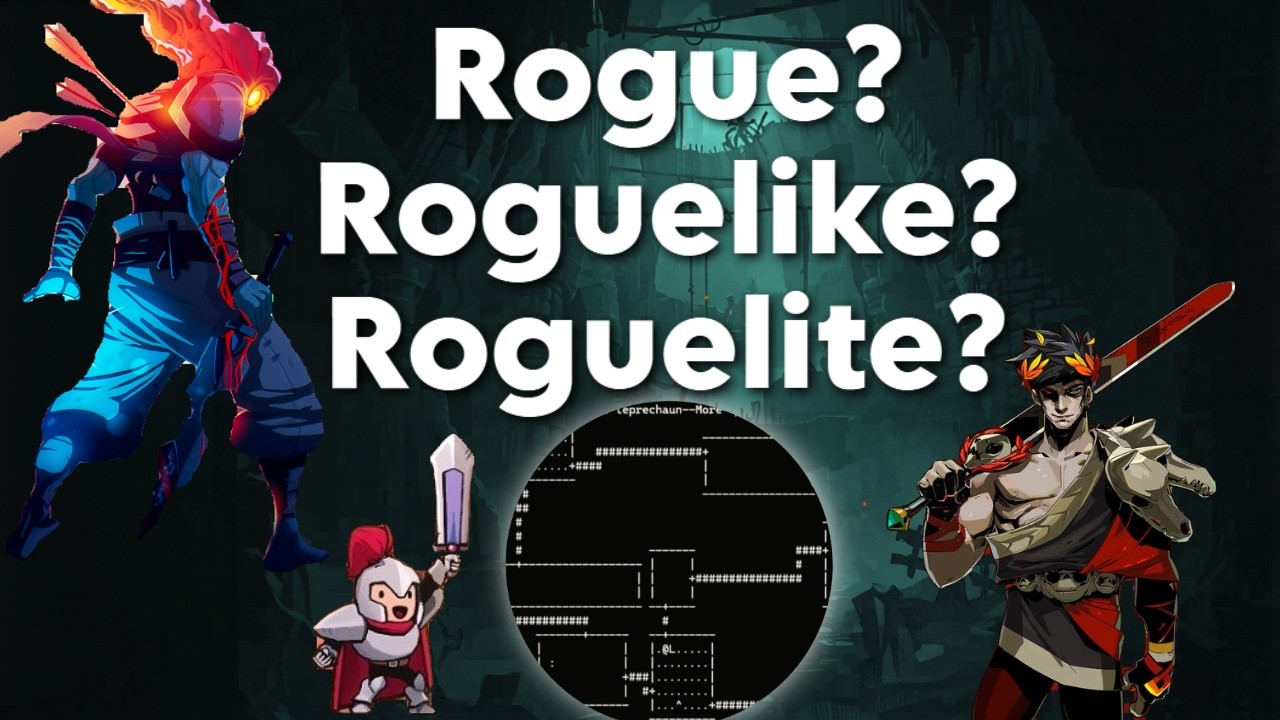
To understand where we are, you have to look at where it all began. Long before 4K textures and ray tracing, back in 1980, two students - Michael Toy and Glenn Wichman - created a game called, quite simply, Rogue.
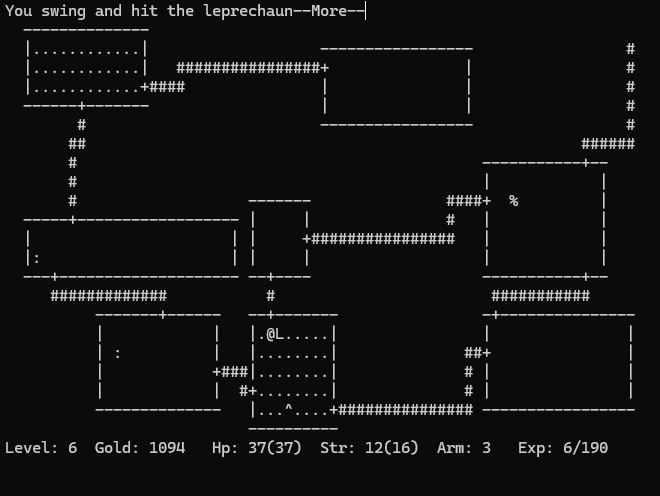
A dungeon crawler built entirely out of ASCII characters. No sprites, no animations. Just you - represented by the @ symbol - descending into the Dungeons of Doom to retrieve the Amulet of Yendor. It was brutal. It was turn-based. And most importantly: if you died, it was over. Save file gone. No continues, no checkpoints. Every floor was procedurally generated, meaning you could never rely on memory - only skill and a bit of luck.
Roguelike - a genre defined by rules
This punishing formula became so iconic that it spawned an entire generation of followers. For decades, if a game shared this core DNA - permadeath, randomness, high difficulty - it got labeled a "Roguelike." Literally: a game that is like Rogue.
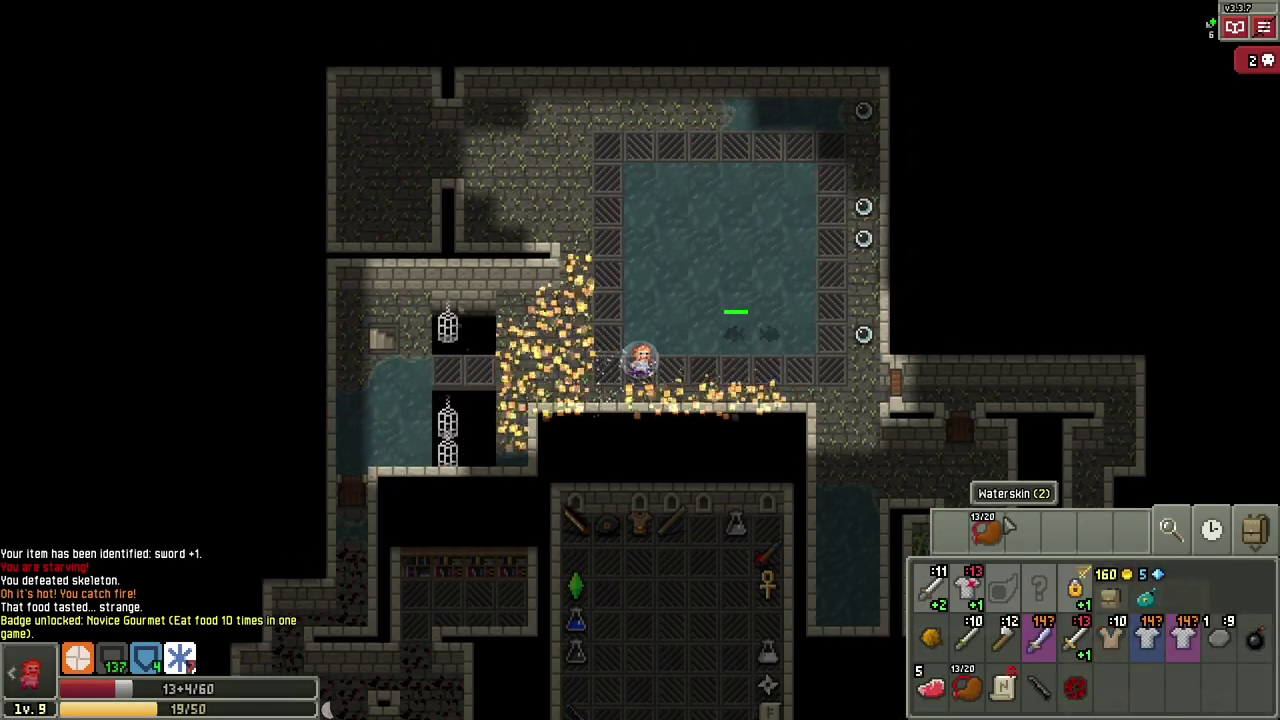
As the genre evolved, the definition became a battlefield. In 2008, developers and fans gathered at the International Roguelike Development Conference in Berlin to establish exactly what a "true" Roguelike must be. The result was the Berlin Interpretation - a strict manifesto built around what they called "High Value" factors.
Grid-based movement where every step is a tactical choice. Turn-based combat where time moves only when you do. Non-modal gameplay - no switching between a map mode and a combat mode, the world is seamless. It was an uncompromising attempt to freeze the original Rogue experience in time.
For some, the Berlin Interpretation is the gold standard. For others, it's an outdated set of rules that almost killed the genre's creativity.
If you want to see a modern "true" Roguelike in action, look at titles like Caves of Qud or Shattered Pixel Dungeon. Deep, unforgiving, punishing in the best possible way.
Roguelite - the genre opens up
The strict rules of the Berlin Interpretation were a bit much for most players. People wanted the thrill of the random dungeon - but they hated losing everything. And so the Roguelite was born.
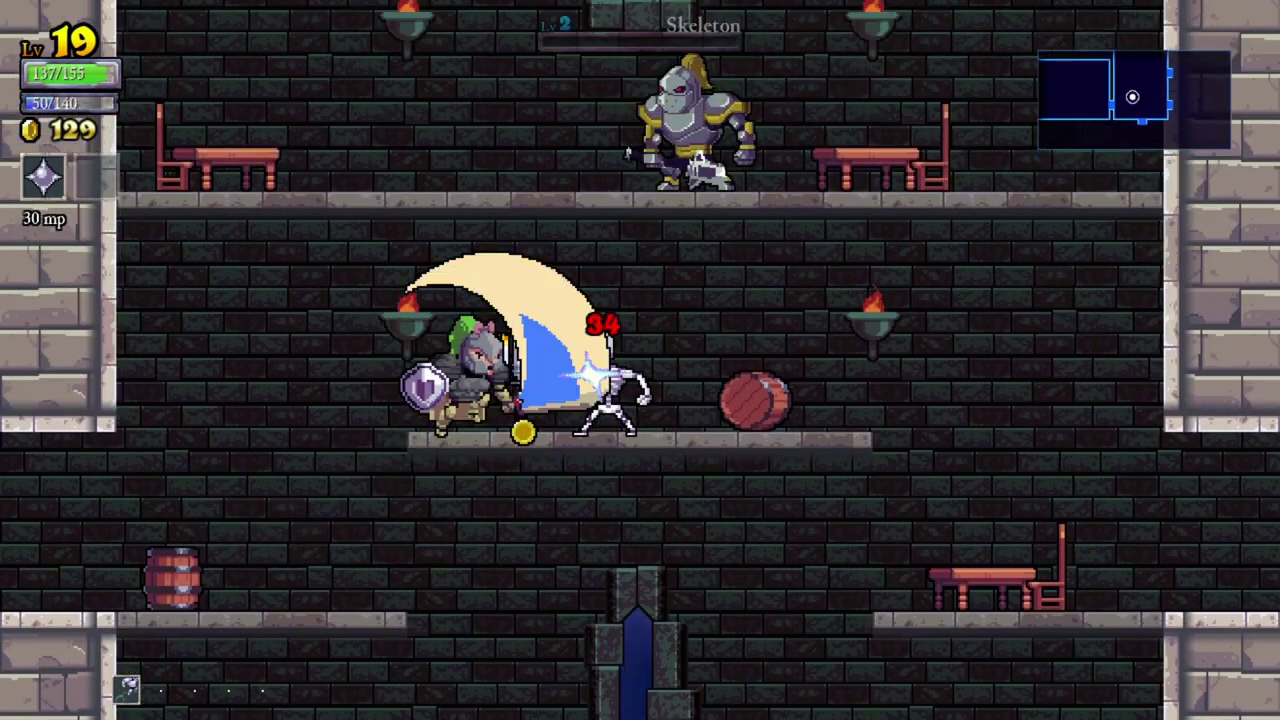
The "Lite" tells you it's a more accessible take on those original rigid rules. The biggest game-changer: meta-progression. In a Roguelike, when you die, you only take your experience and knowledge to the next run. In a Roguelite, you take gold, souls, or cells. You return to a hub, talk to an NPC, and buy a permanent health boost or a stronger sword.
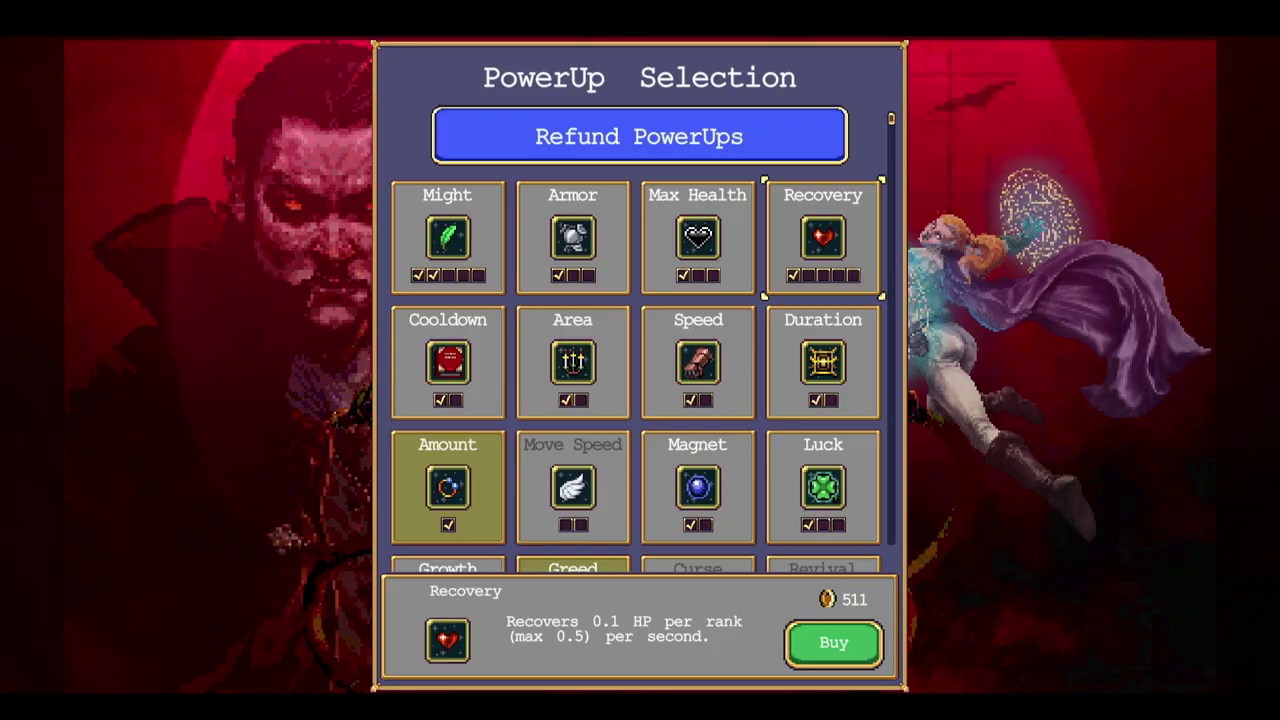
You're not just getting better at the game - your character is literally getting stronger. This creates a powerful "just one more run" loop because even a failed attempt feels like progress. Games like Rogue Legacy pioneered this idea, but titles like Hades and Vampire Survivors turned it into a global phenomenon.
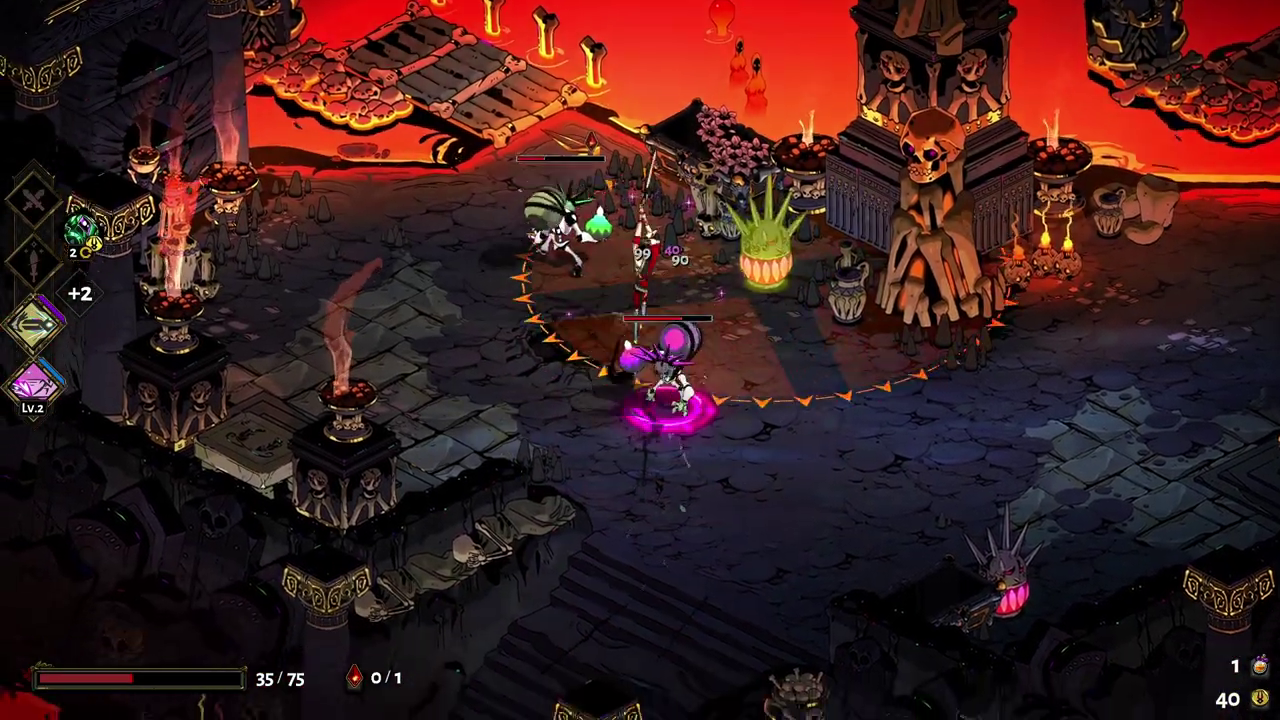
Purists might roll their eyes. Technically, they're right. But these "Lites" are the reason the genre is more popular today than ever before.
Two flavors of meta-progression
Meta-progression actually comes in two distinct forms, and they change the feel of a game completely.
Horizontal progression - think The Binding of Isaac. When you finish a run, you don't get more health or damage. You unlock new items, new bosses, new characters. The game gets bigger and more varied, but not necessarily easier. You still rely 100% on your own skill. You're not getting stronger - you're getting more options.
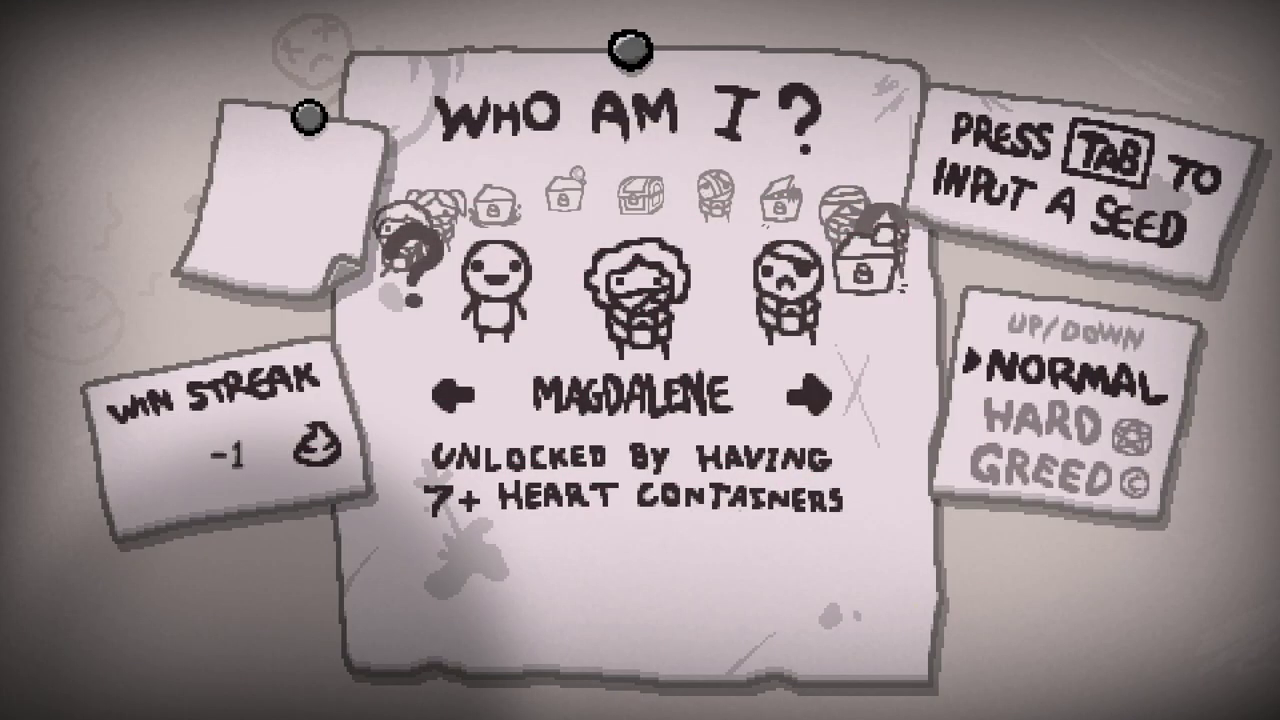
Vertical progression - the "true" Roguelite experience found in Hades or Rogue Legacy. You're buying permanent upgrades. More health. Extra lives. Higher crit chance. These games are designed to feel nearly impossible at first, but as you grind and invest, you eventually overpower the challenge.
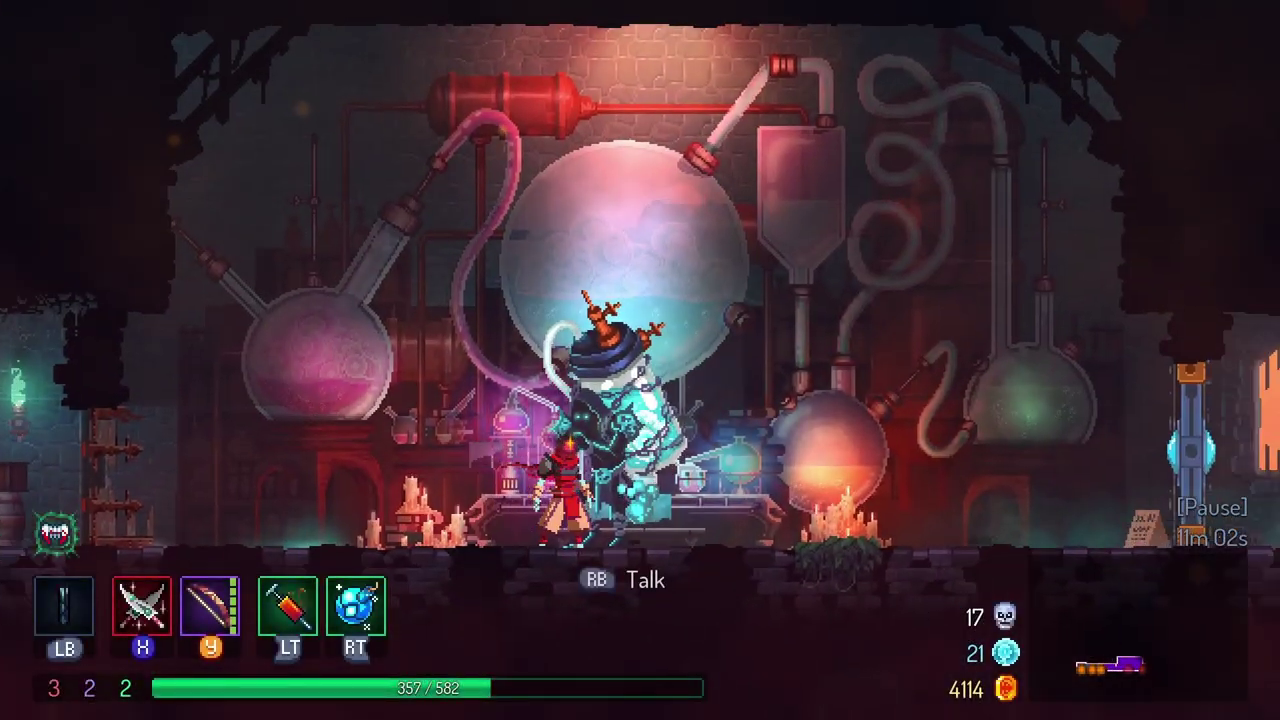
Most modern titles blend both. Dead Cells, for example, expands your arsenal with new blueprints while also letting you permanently boost your health and potion charges. The distinction matters because it changes how a loss feels: one adds variety to the world, while the other ensures that even in death, you've gained something.
The roguelike umbrella
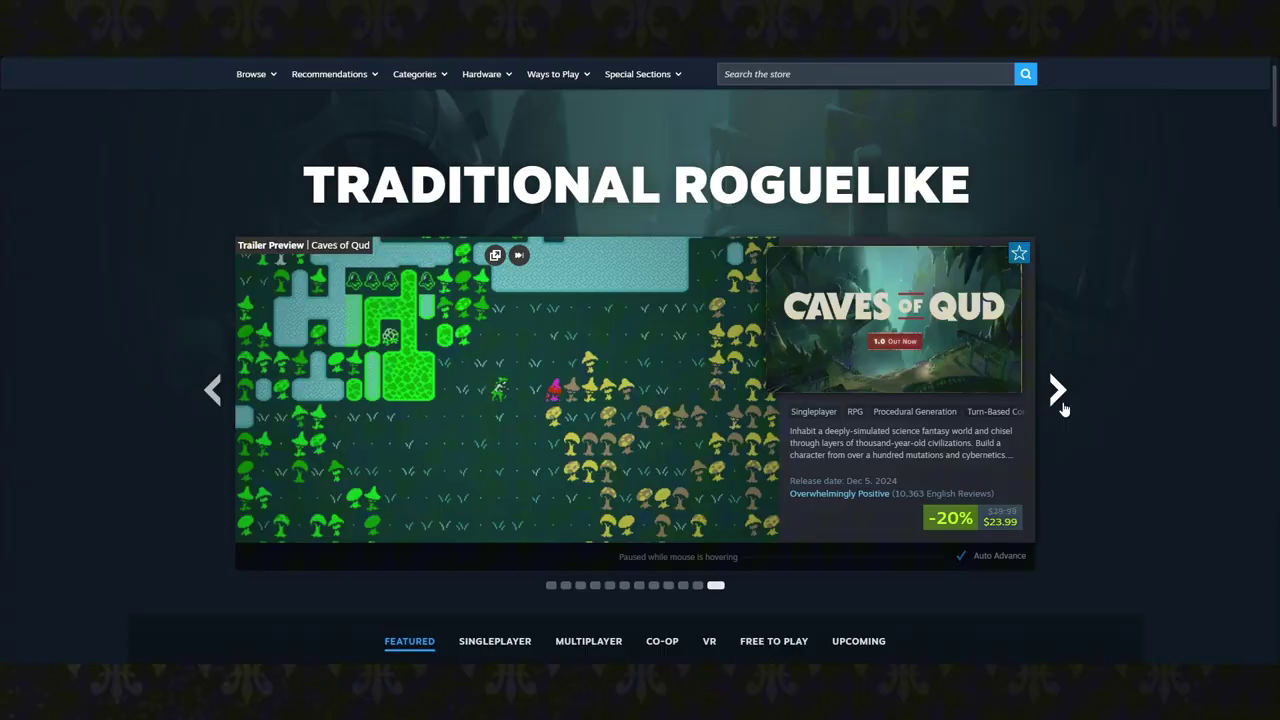
Today, "Roguelike" has become a marketing buzzword - a label slapped on almost anything with procedural generation and a try-again loop. Even developers of pure Roguelites often tag their games as Roguelikes just to reach more players. Steam eventually introduced a separate "Traditional Roguelike" tag so hardcore fans could filter out the Lites.
But is the Like/Lite divide actually helpful anymore?
We're witnessing a massive "Roguelike-ification" of gaming. Whether it's a deck-builder like Slay the Spire, a tactical game like Into the Breach, or a poker game like Balatro - they all borrow pieces from that original 1980s formula. The strict definitions are fading.
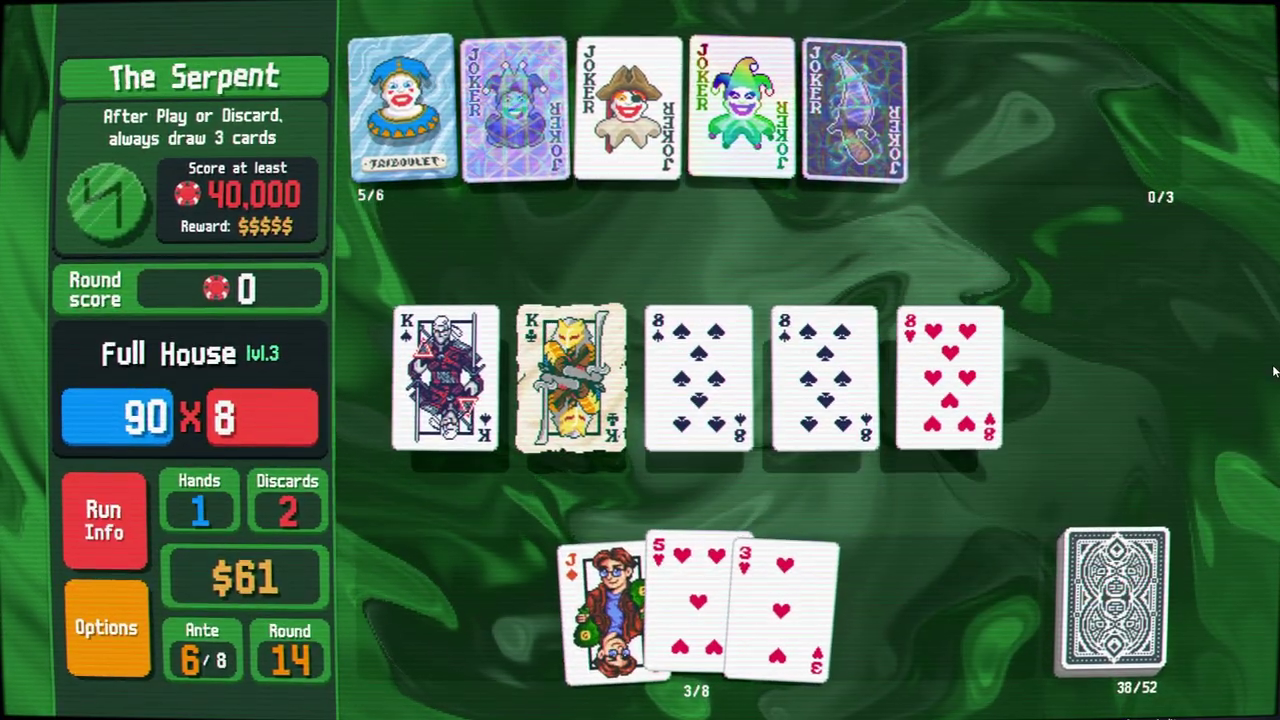
What ties all of these games together isn't a checklist from a Berlin conference. It's something simpler: infinite replayability and a genuine demand for mastery. On this channel, I'll be using "Roguelike" as a broad umbrella for this whole family of games - because at the end of the day, labels are just labels.
What matters is that 'just one more run' feeling that keeps us up until 4 AM.